Prague represents a significant portion of all real estate transactions in the Czech Republic, attracting both local and international investors with its strong rental demand, long-term stability, and overall market resilience. However, when it comes to rental yields, the capital typically offers the lowest returns in the country. As a result, many return-focused investors are shifting their attention to other parts of the Czech Republic, where property prices are lower and rental yields considerably higher.
In this article, we’ll focus exclusively on Prague’s buy-to-rent market, break down what kind of income you can realistically expect, and explain why it is a smart move—if you think long term.
Expect Initial Net Rental Yields Between 2% and 3%
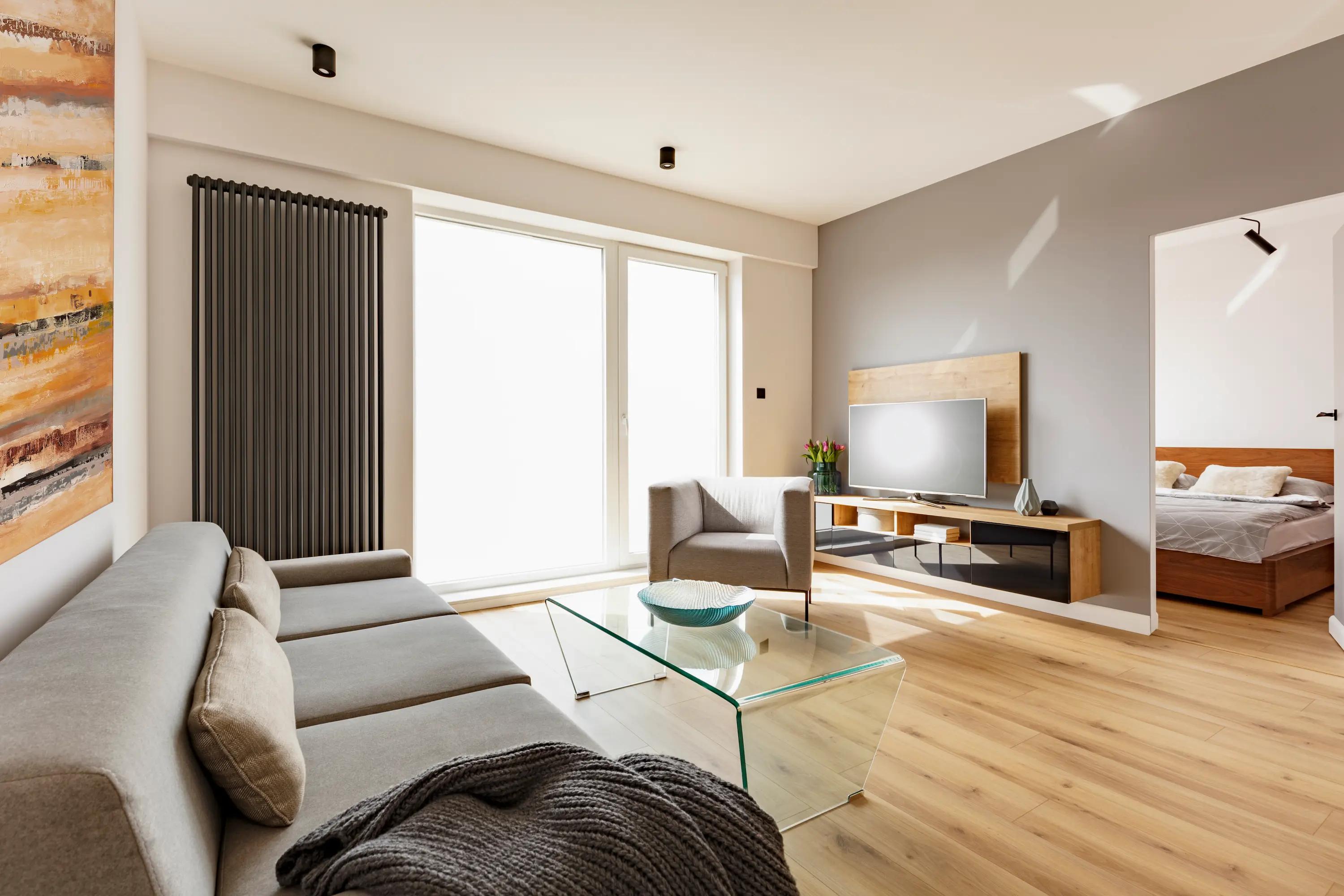
Let’s look at a practical example. A typical 2+kk, 50 m² apartment in good condition, located in a mid-range district like Prague - Libeň, currently sells for around CZK 8.7 million (approx. EUR 350,000). Such a flat would rent long-term for approximately CZK 21,000 per month (EUR 843).
Now, once we factor in:
- A monthly building maintenance fee (fond oprav) of approximately CZK 2,000
- A 5% annual reserve for vacancy, repairs, and upkeep
- And minimal property tax obligations in the early years
… the net annual return works out to approximately 2.46%.
At first glance, that’s not especially attractive—especially when you consider that even a high-interest savings account might yield more than 3% annually, and with zero landlord responsibilities.
Using a Mortgage? Be Ready to Subsidize in the Short Term
If you choose to finance the purchase through a 30-year mortgage, the monthly payment today would be around CZK 34,400. With rent bringing in only CZK 21,000 per month, you’d need to cover a shortfall of over CZK 13,000 monthly from your own pocket.
For investors focused on immediate cash flow, this understandably appears like a poor deal. But that changes—dramatically—when you zoom out to a 10-year horizon.
Why Long-Term Thinking Changes Everything
Despite the modest starting yields, Prague real estate has shown strong appreciation over time. Over the past 10 years, property prices in Prague have risen by an average of 10% annually. While past performance doesn’t guarantee future results, even a conservative estimate of 5% yearly growth presents a compelling case for long-term investors.
Rental prices have also grown by an average of 6.6% per year over the last decade.
Let’s run a simplified 10-year projection assuming:
- 5% annual growth in property value
- 5% yearly rent increases
After 10 years:
- You would collect over CZK 3 million in rental income
- Your property value would increase by approximately CZK 5.5 million
That’s a total gain of over CZK 8.5 million, or nearly 98% of the original purchase price, equating to 9.8% annually on average. By year 10, your net annual return (counting both rent and appreciation) could exceed 12%. And if you're financing the property, your monthly cash flow would likely turn positive around this point as rents catch up with loan payments.
Short-Term Rentals: A High-Yield Alternative (with Caveats)
It’s also worth noting that short-term rentals, such as Airbnb, can offer much higher yields in Prague—especially in central locations or areas with high tourist footfall. However, investors should be cautious: major regulatory changes are on the horizon that may significantly impact the short-term rental market in 2025.
I cover this topic in detail in a separate article:
👉Big Changes to Airbnb Rules in Prague (2025)
The Prague Advantage: Stability, Liquidity, and Tenant Demand
Even with relatively low initial yields, Prague offers real long-term advantages:
- High rental demand and low vacancy risk
- Strong liquidity—well-maintained apartments in good locations are easy to sell or rent
- Price stability, especially compared to regional markets that may be more vulnerable to economic shifts
Prague may not be ideal for those looking for immediate returns, but for long-term investors focused on capital preservation and appreciation, it remains one of the most solid real estate bets in Central Europe.
Coming Up Next: Higher Returns Outside the Capital
While this article focuses on Prague, don’t miss upcoming posts where I’ll dive into rental returns across other Czech cities and regions—where yields are often significantly higher and the entry price much lower.
👉 Stay tuned on the Vanek Real Estate blog for updates and fresh insights into the best property investment opportunities across the Czech Republic.